

CALL US NOW!
+65 9009 7510
CALL US NOW!
+65 9009 7510
Maintenance of Swimming Pool: Clear Water Made Simple
Introduction
Cloudy, green water can ruin a weekend in seconds. You scoop, brush, and still feel unsure if the pool is safe. Hosting friends starts to feel risky instead of fun.
Proper maintenance of swimming pool water means steady work on circulation, cleaning, and chemistry. In practice, that means small tasks every day and a deeper routine each week. With a clear plan, you stop guessing and simply follow a set of steps.
Keep reading to learn the 3 C’s, a realistic schedule, and how shocking and filter care fit in. You will also see when it is smarter to hire help. By the end, you can map out a maintenance of swimming pool plan for your property in Singapore.
Key Takeaways
Here is what matters most from this swimming pool maintenance guide. Research from Nielsen Norman Group shows many readers scan bullet summaries before details, so start here. Refer back to these points whenever your pool chores start to feel confusing.
- The 3 C’s of pool care are circulation, cleaning, and chemistry. They work together as one system. Skip one and the others struggle.
- Water chemistry controls comfort and safety. Wrong pH or chlorine harms skin and pool surfaces. Weekly tests correct issues early.
- A simple schedule keeps maintenance of swimming pool tasks short and predictable. You always know the next step. That habit avoids surprise repairs.
- Some situations need expert help. Persistent green water, leaks, or failing pumps rarely improve on their own. Professional service also helps Singapore pools stay within National Environment Agency (NEA) rules.
Tip: Many pool technicians like to say, “Do a little bit of maintenance often, instead of a lot all at once.” Small, regular habits keep pool problems from snowballing.
What Are the 3 C’s of Swimming Pool Maintenance?
The 3 C’s of swimming pool maintenance are circulation, cleaning, and chemistry. Together, they describe what pool care involves. You look after circulation and light cleaning daily, then handle deeper cleaning and water tests weekly so maintenance of swimming pool water never feels random. When each C is covered, the pool stays clear, safe, and pleasant.
Circulation keeps water moving through the skimmer, pump, filter, and return jets so germs and debris do not sit in corners. The Pool & Hot Tub Alliance advises running the pump long enough to turn the full pool volume over at least once per day. Cleaning then removes what circulation cannot, with daily skimming plus weekly brushing and vacuuming so algae never gets a foothold.
Chemistry is the most precise C because the wrong pH or chlorine level can sting eyes, corrode equipment, or let germs grow. You control chemistry by watching just four key numbers in the water. According to the Centers for Disease Control and Prevention, keeping pH and free chlorine in the proper range helps reduce the risk of waterborne germs in treated pools.
Pool Water Chemistry: Key Parameters Every Owner Must Know
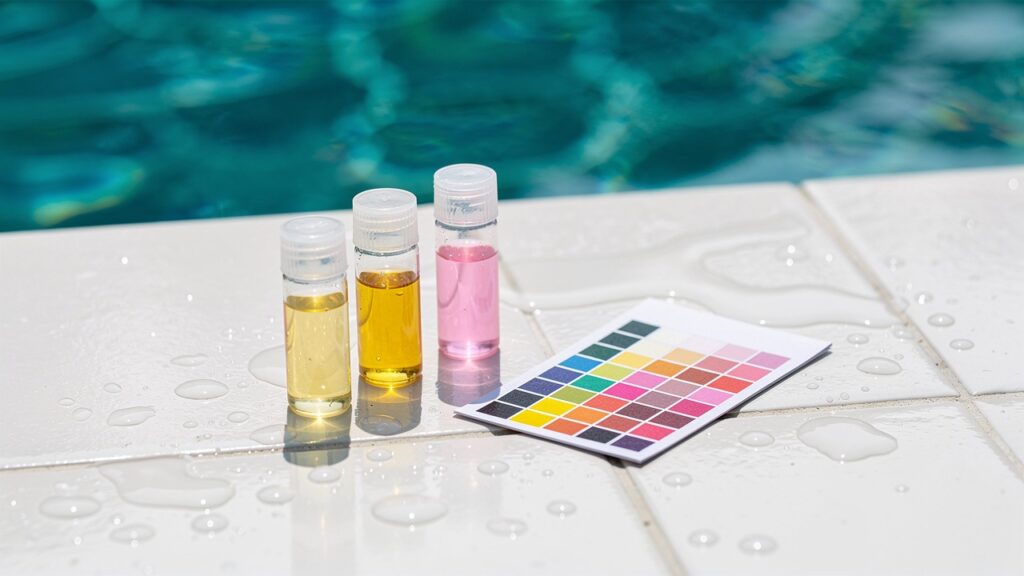
Pool water chemistry focuses on four readings that show whether water is comfortable and safe. Those readings are pH, total alkalinity, free chlorine, and calcium hardness. A simple test kit or strips used each week makes these checks fast and repeatable, even for first-time owners.
| Parameter | Ideal Range | Testing Frequency |
| pH | 7.2 to 7.6 | Weekly |
| Total Alkalinity | 80 to 150 ppm | Weekly |
| Free Chlorine | 1 to 3 ppm | Weekly, and after heavy use or rain |
| Calcium Hardness | 200 to 400 ppm | Monthly |
When pH or alkalinity fall too low, water becomes corrosive and slowly eats metal parts and grout.- If pH, alkalinity, or calcium hardness run high, you see cloudy water and rough white scale on tiles and inside pipes.
- Low free chlorine lets algae and microbes grow, while too much can irritate eyes and skin.
The National Environment Agency in Singapore highlights regular testing as basic good practice, so treat weekly checks as a fixed appointment in your calendar.
How to Build a Pool Maintenance Schedule That Actually Works
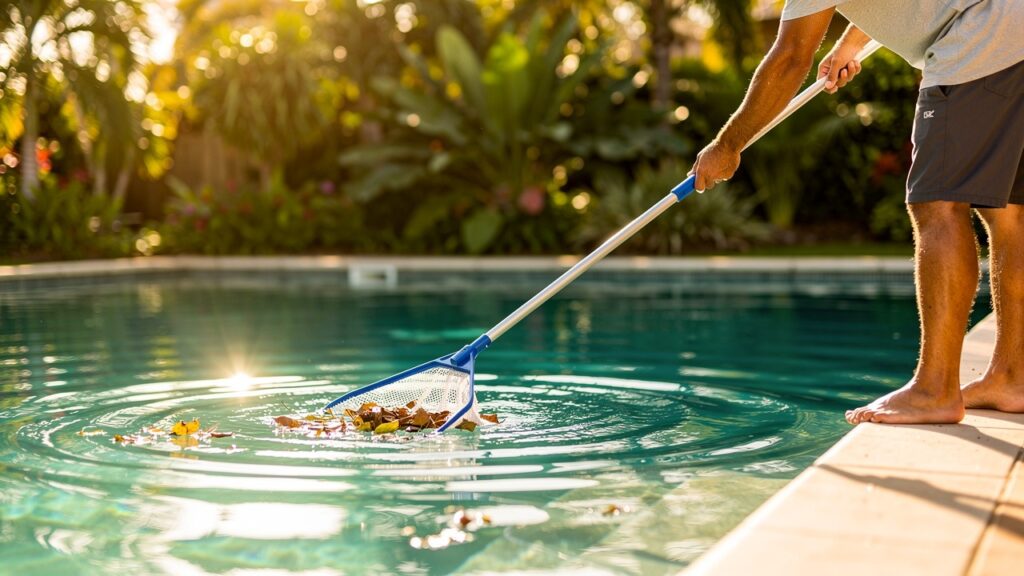
A simple pool maintenance schedule turns random chores into habits you barely think about. Instead of guessing what to do each weekend, you follow the same pattern for daily, weekly, monthly, and yearly work. This structure protects the maintenance of swimming pool systems and avoids many surprise repair bills.
- Daily tasks focus on quick checks and surface cleaning. Skim leaves and insects with a net so they do not sink and rot. Glance at the pump and skimmer basket and run the pump long enough that water moves during the warmest hours.
- Weekly tasks handle deeper cleaning and water tests. Brush walls, steps, ladders, and tile lines, then vacuum the floor or run a robotic cleaner. Test pH, alkalinity, and chlorine, correct chemicals, and add shock every one or two weeks depending on pool use.
- Monthly tasks focus on equipment health. Empty and rinse the pump basket, check the filter pressure gauge, and backwash if the reading sits around ten psi above the clean level. Walk around the deck and lights to spot cracks, loose fittings, or strange pump noises.
- Yearly tasks prepare the pool for problem-free operation. Service or deep clean the filter, inspect seals and O-rings, and have an electrician confirm that lighting and bonding still meet safety standards. Many Singapore owners plan this visit just before school holidays, when pool use jumps.
According to the U.S. Department of Energy, a pool cover can cut evaporation by 50 to 70 percent and reduce chemical loss. Add a pump timer and, if possible, a robotic cleaner so much of the schedule runs automatically. For condos and commercial pools, shared digital logs with a contractor such as KCN Pool Services Pte Ltd make maintenance of swimming pool facilities easy to trace.
Pool Shocking and Filter Backwashing: Why Skipping Them Is Costly
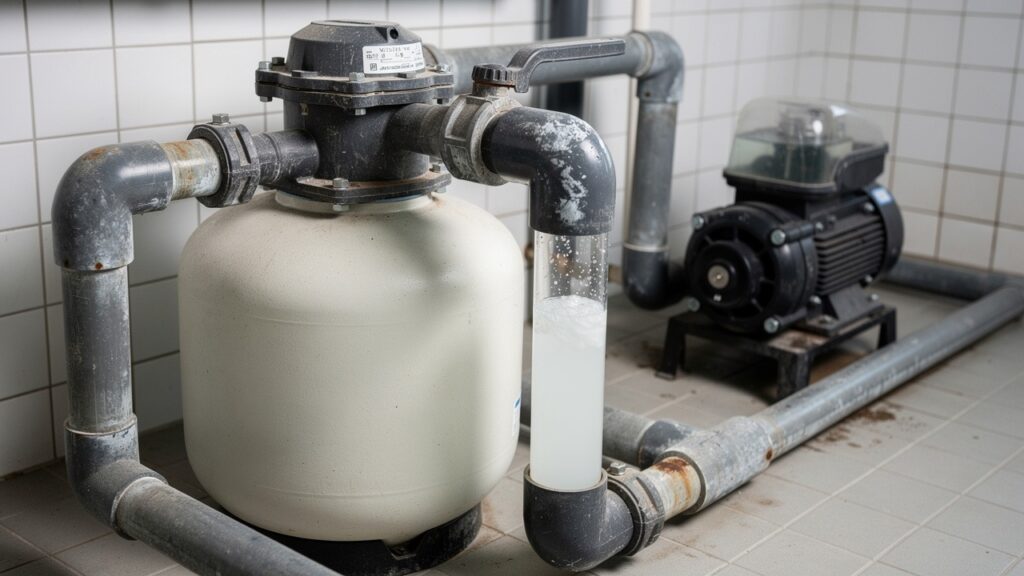
Pool shocking and filter backwashing are the heavy-duty jobs that stop clear water from sliding into cloudy or green water. Shocking resets sanitizer levels by breaking up chloramines, while backwashing restores filter flow by flushing trapped dirt. When these jobs slip, equipment works harder, water quality drops, and problems show up later as big bills.
- Pool shocking means adding a strong dose of chlorine or a non-chlorine oxidizer to destroy chloramines, sweat, and other organic waste. The Centers for Disease Control and Prevention links chloramines to strong pool smell and eye irritation, so regular shocking helps keep swimmers comfortable. Shock the pool every one to two weeks, and always after heavy rain, big gatherings, or cloudy water.
To shock safely:- Add the product after sunset.
- Brush the walls, steps, and corners.
- Run the pump for at least eight hours.
- Wait to swim again until chlorine falls back to 1 to 3 ppm.
- Filter backwashing reverses water flow through sand or DE filters so trapped dirt leaves through the waste line instead of clogging the media. Use the pressure gauge as your guide and start a backwash cycle once the reading sits about ten psi above the normal clean level. Turn off the pump, set the multiport valve to backwash, run until the sight glass water runs clear, briefly rinse, then return the valve to filter and restart. Cartridge filters need removal, a hose-down, and a chemical soak at least once a year.
A dirty filter or constant chloramine buildup might not change how the water looks right away, but both problems strain pumps, heaters, and metal fittings. Regular shocking and backwashing support the maintenance of swimming pool systems as much as skimming and brushing. For shared pools in Singapore, good records of these treatments also help managing agents show that they take NEA hygiene expectations seriously.
When Should You Call a Professional Pool Maintenance Service?
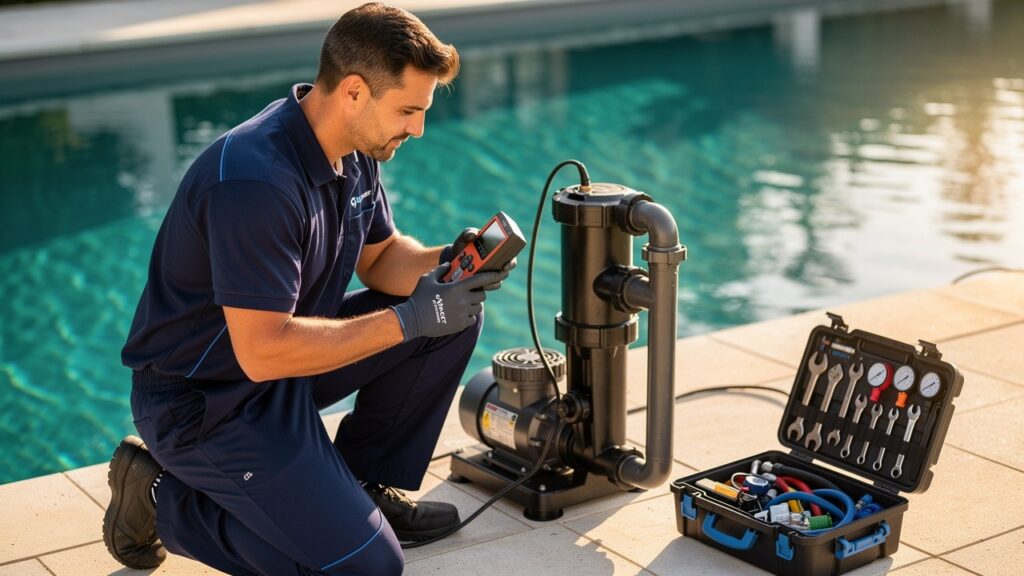
Calling a professional swimming pool maintenance service makes sense when routine tasks no longer clear the water or when equipment seems unsafe. At that point, continued guessing often costs more than hiring an expert. It also matters for condo and commercial pools that must follow health rules.
- Persistent cloudy, green, or smelly water is a clear signal you need help. If shocking, backwashing, and balanced chemistry still do not clear the water, there may be hidden contamination or a design issue. A trained technician can run tests, clean lines, and check whether your circulation system matches the pool volume.
- Recurring algae blooms or slippery walls justify professional attention. Technicians can inspect for dead spots in circulation, damaged tiles, or light leaks that shelter algae and bacteria. They may suggest small upgrades so ongoing maintenance of swimming pool surfaces becomes easier.
- Mechanical or structural issues such as pump failures, repeatedly clogged filters, noisy bearings, or unexplained drops in water level call for diagnostics and repairs. Leak detection, pipe repair, and pump replacement need tools and training most homeowners do not have. Handling these jobs yourself can raise both safety risks and long-term costs.
- Condo and commercial pools in Singapore must follow standards from the National Environment Agency. For these sites, regular professional servicing and clear records are part of basic compliance. Companies such as KCN Pool Services Pte Ltd specialize in scheduled service for condominiums, landed homes, and facilities that answer to management councils and regulators.
For pool owners, choosing a professional service with clear schedules, transparent reporting, and reliable follow-up makes ongoing maintenance easier to manage.
Get More Value From Your Pool
Good care lets a pool do more than cool people down on hot afternoons. Clear, safe water supports family time, low-impact exercise, guest satisfaction, and even property values. For property owners, a well-maintained pool also supports guest satisfaction, tenant confidence, and property value because clear, safe water shows that the facility is properly cared for.
Make Every Drop Count: Start Your Pool Maintenance Routine Today

Consistent attention to circulation, cleaning, and chemistry, backed by a simple schedule, regular shocking, and timely backwashing, keeps any maintenance of swimming pool plan on track. Start today by writing out your daily, weekly, monthly, and annual tasks, then set reminders so they actually happen. If problems already feel larger than a scrubbing session, bring in a specialist such as KCN Pool Services Pte Ltd before damage grows.If problems already feel larger than a scrubbing session, bring in a specialist such as KCN Pool Services Pte Ltd before damage grows.
Frequently Asked Questions
These quick answers cover questions pool owners often ask once they start caring for their own water. You can read any answer on its own. Use this section whenever you need a fast reminder.
Question 1: How Often Should I Test My Pool Water?
You should test pH, alkalinity, and chlorine at least once a week. In Singapore’s climate, also test after heavy rain, big gatherings, or visible cloudiness so maintenance of swimming pool water quality does not slip. Calcium hardness usually needs only a monthly check unless you notice scale, stains, or frequent equipment corrosion.
Question 2: What Causes Cloudy Pool Water and How Do I Fix It?
Cloudy water usually comes from low chlorine, wrong pH, fine debris, or a dirty filter. Start by testing and correcting chemistry, then shock the pool and run the pump for at least eight hours. Backwash or clean the filter and keep skimming and brushing until the water clears.
Question 3: How Long Should I Run My Pool Pump Each Day?
Most pools need the pump for eight to twelve hours a day to turn over all the water. Run it longer during heat waves, after heavy use, or when you add shock. A simple timer makes this easy without constant checking.
Question 4: Can I Maintain My Pool Myself or Do I Need a Professional?
Most homeowners can manage daily skimming, weekly brushing and vacuuming, basic chemistry tests, and regular shocking. Call a professional when water stays green, equipment leaks or fails, or you suspect a structural problem. Condo and commercial pools usually require professional service to meet National Environment Agency expectations.
Question 5: What Is the Most Cost-Effective Pool Maintenance Investment?
A good pool cover ranks near the top for saving money. It reduces evaporation, slows algae growth, and cuts chemical and heating costs. Combining a cover with a pump timer and, if the budget allows, a robotic cleaner can reduce both labor and long-term running expenses.
