


CALL US NOW!
+65 9009 7510
CALL US NOW!
+65 9009 7510
What to Expect When Working with a Swimming Pool Contractor Singapore
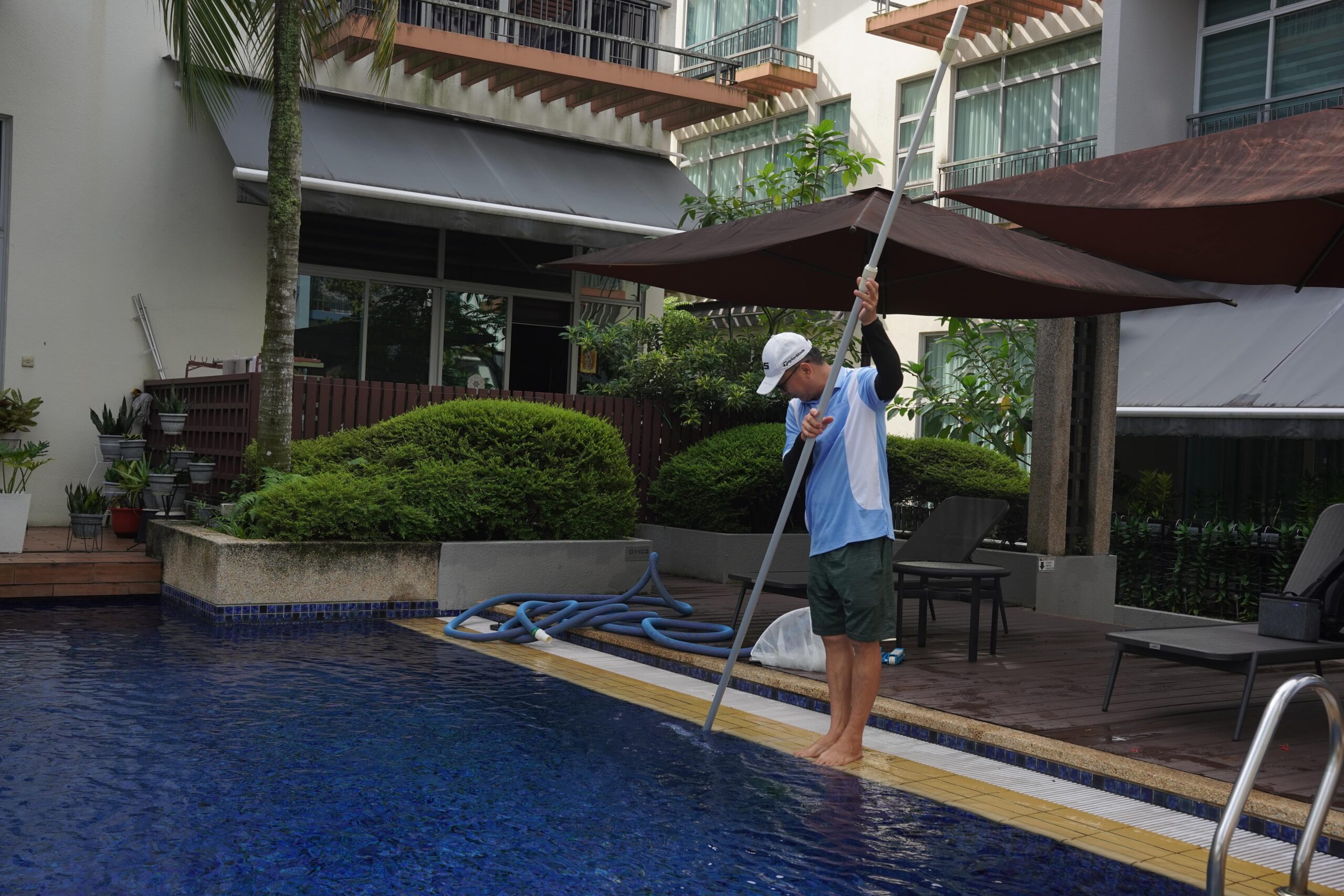
Singapore’s relationship with water has always been complex a nation that once rationed it now celebrates it as a luxury centrepiece of landed living. Over the past decade, a marked shift has seen affluent homeowners move away from shared clubhouse pools and towards private residential oases, transforming bungalows and semi-detached properties into genuine retreats.
Key Takeaways
- Contractor responsibilities: Preparing structural and architectural drawings, engaging a qualified Person (QP), and submitting the BCA application on your behalf
- Owner responsibilities: Signing off on submission documents, ensuring site access, and maintaining accurate records of approvals
- Water chemistry management — balancing pH, chlorine, and alkalinity levels
- Physical cleaning — brushing walls, vacuuming the pool floor, skimming debris
- Equipment checks — inspecting pumps, filters, and automated dosing systems
However, what works in suburban Australia or rural Florida rarely translates here. Singapore’s high-density land constraints, layered building codes, and the Urban Redevelopment Authority’s strict setback requirements create a regulatory environment unlike almost anywhere else in the world. Generic advice from global forums can actively mislead local homeowners, creating costly assumptions before a single bucket of earth is turned.
Choosing the right Swimming Pool Contractor Singapore homeowners can genuinely trust means finding a specialist who understands the territory intimately — including the island’s notoriously challenging clay-heavy soil profiles and year-round humidity that accelerates material degradation.
In practice, a well-managed residential pool build runs approximately 12 weeks from approved permits to final handover, though that timeline hinges entirely on one critical variable: the materials you choose. Understanding the real costs behind each option is where smart planning begins.
Budgeting for Excellence: Material Costs and Hidden Variables
Before any digger breaks ground, the single most consequential decision you’ll make is choosing your pool’s construction material. It shapes not just the upfront cost, but the maintenance burden, the aesthetic possibilities, and the long-term value of your property. Reputable Swimming Pool Builders Singapore homeowners rely on will typically present three primary options each with its own distinct trade-offs.
Concrete: The Premium Choice
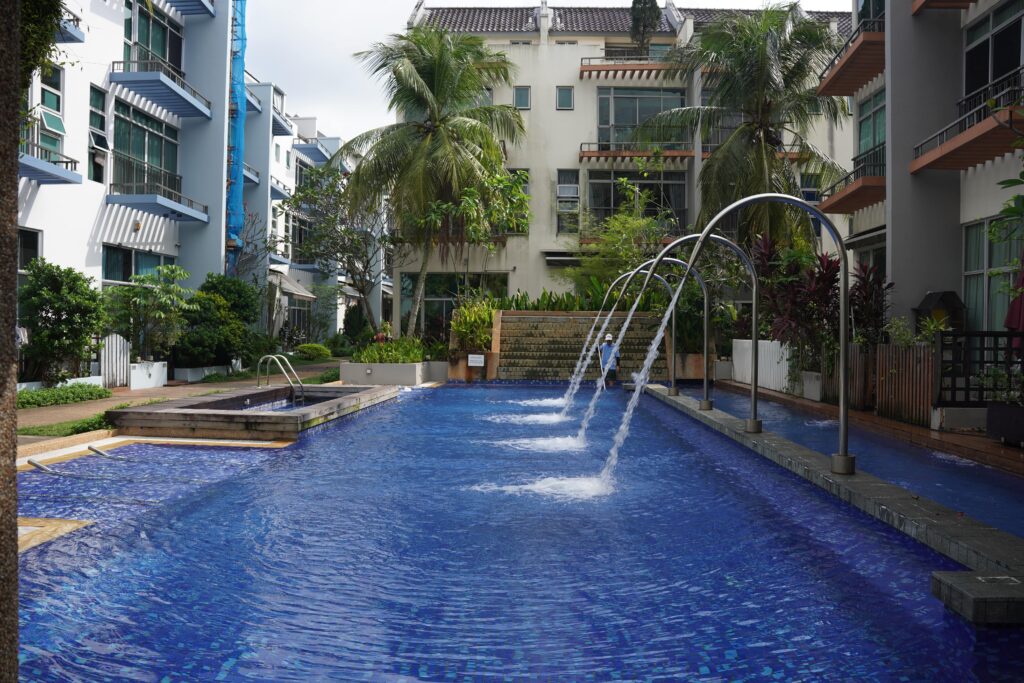
Concrete pools remain the gold standard in Singapore’s landed property market, and for good reason. They offer virtually unlimited customisation irregular shapes, infinity edges, tiled finishes, integrated water features all of which complement the architectural ambitions of a bespoke home. Expect to budget between £60,000 and £120,000 (approximately SGD 100,000–200,000) for a mid-sized residential concrete pool, though complex designs push costs considerably higher. The trade-off is time; concrete pools typically require eight to twelve weeks to construct.
Fiberglass: Speed Meets Durability
Fiberglass pools occupy the practical middle ground. Pre-manufactured shells are craned into position and installed within days rather than weeks, reducing labour costs and disruption. The smooth, non-porous surface resists algae growth a genuine advantage in Singapore’s humid climate. However, shape and size options are constrained by factory moulds, so heavily customised designs aren’t possible.
Vinyl-Lined: The Entry-Level Option
Vinyl-lined pools offer the lowest entry point for budget-conscious homeowners. However, liners typically require replacement every eight to twelve years, and they’re vulnerable to punctures from sharp objects a practical consideration if your household includes children or pets.
The Hidden Variable: Site Access
What many homeowners underestimate is how dramatically site conditions can alter any quoted price. Narrow driveways, mature landscaping, multi-storey access challenges, and proximity to existing structures all influence how equipment is brought in and materials are moved. A pool that costs £70,000 on an open plot could carry a 20–30% site premium on a constrained landed property.
Understanding these variables is only half the picture, though. Once your budget and material are settled, there’s an equally important layer of complexity waiting — one that involves government approvals, formal applications, and rules that catch many first-time pool owners completely off guard.
Navigating the Red Tape: BCA Permits and the 1.5m Rule
Once your material choices are settled and your budget is firmed up, regulatory compliance becomes the next critical hurdle and it’s one that surprises many homeowners who assumed a pool was simply a landscaping project.
The 1.5-Metre Depth Threshold
In Singapore, the Building and Construction Authority (BCA) requires a formal permit for any residential pool exceeding 1.5 metres in depth. This threshold exists because pools beyond that depth are classified as structural works capable of affecting the integrity of surrounding foundations. Most leisure pools particularly infinity-edge and lap pool designs — routinely exceed this limit, making BCA approval the rule rather than the exception for landed property owners.
The permit requirement isn’t merely administrative; it’s a structural safety mechanism protecting your property and your neighbours’ foundations alike.
What the Approval Timeline Actually Looks Like
This is where many homeowners miscalculate their project schedule. BCA submissions typically require four to eight weeks for processing, depending on the complexity of engineering drawings and whether queries are raised. You cannot break ground during this window excavation before permit approval carries significant penalties.
Who Is Responsible for What?
The division of responsibility is straightforward in practice, though worth clarifying upfront with any pool contractor in Singapore you engage:
- Contractor responsibilities: Preparing structural and architectural drawings, engaging a qualified Person (QP), and submitting the BCA application on your behalf
- Owner responsibilities: Signing off on submission documents, ensuring site access, and maintaining accurate records of approvals
Reputable contractors manage the permit process end-to-end, but the legal liability for compliance ultimately rests with the property owner. Understanding this distinction early prevents awkward disputes later.
With approvals in hand, the real work begins — and the construction timeline that follows has its own distinct rhythm, shaped by Singapore’s climate and site conditions.
The 12-Week Roadmap: From Excavation to First Dip
With your permits secured and budget confirmed, the build itself can begin. Swimming pool construction in Singapore typically follows a structured three-phase sequence — but understanding what happens at each stage helps you manage expectations, coordinate with contractors, and avoid unnecessary stress when your garden temporarily resembles a construction site.
Phase 1: Design, Survey, and Permit Filing (Weeks 1–3)
Before a single spade of soil is lifted, your contractor will conduct a thorough site survey. Soil composition, underground utilities, and drainage gradients all need documenting. Structural engineers may be engaged at this point to confirm load-bearing requirements — particularly relevant for rooftop or elevated installations. Permit submissions to the Building and Construction Authority (BCA) typically occur during this window, and approval timelines can vary, so building buffer time here is wise.
Phase 2: Excavation and Structural Framing (Weeks 3–5)
This is the disruptive phase. Excavation equipment arrives, spoil gets removed, and the structural shell — whether gunite, fibreglass, or concrete block — takes shape. Expect noise, limited garden access, and temporary disruption to surrounding landscaping. Reinforcement steel and formwork are installed during this period, which directly determines the pool’s structural integrity for decades ahead. It is messy, but it is also the most critical phase in the entire build.
Phase 3: Installation, Tiling, and Finishing (Weeks 5–11)
Plumbing, filtration systems, and electrical connections are installed before waterproofing compounds are applied. Tiling and interior finishes follow, and this phase is where the pool genuinely starts taking visual shape. Final inspections and water filling typically conclude by Week 12.
Accounting for Monsoon Season
Singapore’s northeast monsoon (November to January) and southwest monsoon (June to September) can cause meaningful delays. Heavy rainfall disrupts excavation, delays concrete curing, and halts tiling work. A common pattern is contractors building a two-to-three week weather contingency into contracts for builds scheduled across these periods.
Once the water’s in and the equipment is running, a new set of responsibilities begins — namely, keeping everything operating safely and within regulatory standards.
Life After Construction: Maintenance and NEA Compliance
The build is complete, the water is shimmering, and the 12-week journey from excavation to first dip is behind you. But owning a pool in Singapore isn’t a set-and-forget situation — ongoing maintenance and regulatory compliance begin the moment construction ends.
Monthly Maintenance Packages: What’s Typically Included
Most reputable contractors offer structured monthly maintenance packages covering three core areas:
- Water chemistry management — balancing pH, chlorine, and alkalinity levels
- Physical cleaning — brushing walls, vacuuming the pool floor, skimming debris
- Equipment checks — inspecting pumps, filters, and automated dosing systems
In practice, packages range considerably in scope and cost. A basic service might cover fortnightly visits, whilst a premium plan includes weekly attendance and priority call-outs for equipment faults.
NEA Standards and Water Safety
The National Environment Agency sets clear water quality benchmarks for private pools in Singapore. These standards govern acceptable bacteria levels, chemical concentrations, and filtration performance. Non-compliance isn’t merely a paperwork issue it carries genuine health risks in a tropical climate where pathogens thrive in warm, stagnant water.
Proper NEA compliance, much like securing your BCA permit pool Singapore approval during the build phase, requires documented evidence and systematic record-keeping not guesswork.
Tropical Climate and Equipment Vulnerability
Singapore’s heat and humidity accelerate wear on pool equipment. Pumps and filters operating continuously in 30°C-plus conditions deteriorate significantly faster than in temperate climates. Seal failures, motor burnouts, and clogged impellers are among the most commonly reported issues.
DIY vs. Professional Maintenance
Whilst DIY maintenance is legally permissible, the margin for error is narrow. An incorrectly dosed chemical balance can cause skin irritation, corrode fittings, or trigger an NEA compliance flag. Professional technicians carry calibrated testing equipment and understand Singapore’s regulatory thresholds precisely — making the investment worthwhile for most homeowners.
Choosing the right maintenance provider, however, often comes down to the contractor you hired in the first place — which raises an important question about how carefully you vetted them before breaking ground.
Vetting Your Contractor: 5 Non-Negotiable Questions
Choosing the right contractor ultimately determines whether your pool becomes a weekend sanctuary or a source of costly regret. Before signing anything, ask these five questions — and expect detailed, confident answers.
1. Do you handle BCA permit filing in-house?
Contractors who manage permitting internally demonstrate regulatory fluency. Outsourced filing often means delays and diffused accountability when problems arise.
2. Can you provide references for landed property projects in my district?
Every neighbourhood has unique soil conditions and access constraints. A contractor experienced specifically in your district whether Bukit Timah or Pasir Panjang will anticipate challenges others miss.
3. What is your protocol for managing noise and dust in high-density neighbourhoods?
In practice, the best contractors arrive with written mitigation plans covering working hours, hoarding, and debris management. Vague answers here signal poor site discipline.
4. Do you offer a structural warranty on the concrete or fibreglass shell?
A credible contractor stands behind their work. Expect a minimum five-year structural guarantee in writing.
5. Is the first year of NEA-compliant maintenance included?
Understanding your ongoing pool maintenance cost Singapore homeowners face typically £150–£300 equivalent per month matters from day one. Bundled first-year maintenance signals a contractor who values long-term relationships over a quick handover.
A pool built on the right questions lasts a lifetime; one built on assumptions rarely survives the warranty period. Choose accordingly.
