


CALL US NOW!
+65 9009 7510
CALL US NOW!
+65 9009 7510
Why Pool Pump Replacement Improves Water Circulation and Efficiency
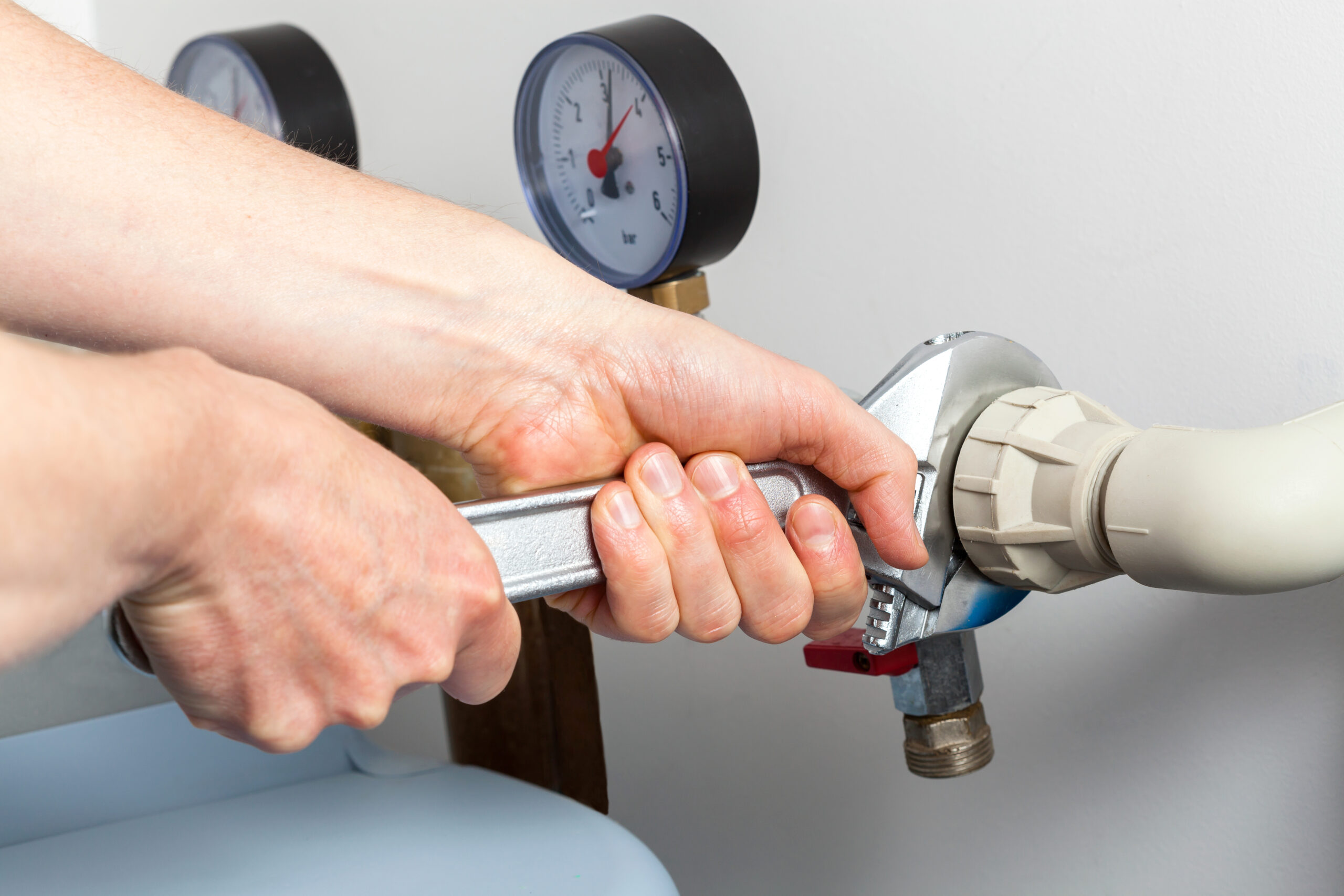
The Stagnation Trap: Why Your Old Pump is Killing Your Pool Health
Your pool might look fine at first glance but underneath that sparkling surface, a failing pump could be staging a slow-motion disaster. Pool pump replacement and water circulation are more tightly connected than most pool owners realize, and ignoring that link costs you money, chemicals, and peace of mind.
The Pump’s Real Job
A pool pump isn’t just moving water. It’s the engine behind chemical distribution, debris removal, and thermal mixing. Without consistent circulation, chlorine clumps near return jets while sanitizer-starved zones develop elsewhere. According to the U.S. Department of Energy, pool pumps are among the largest energy consumers in a home meaning an inefficient unit is draining your wallet while simultaneously under-performing.
The Dead Spot Problem
Dead spots areas of minimal water movement are where algae quietly wins. Even with high chlorine readings, these stagnant pockets provide the perfect environment for microbial growth. The result: persistent green blooms that no amount of shock treatment fully resolves.
The Hidden Toll
Beyond the green water and scrubbing sessions, a failing pump creates real financial stress. Repeat chemical purchases, emergency service calls, and inflated energy bills compound quickly. A struggling circulation system doesn’t just cloud your water it clouds your entire summer.
The good news? Understanding why circulation breaks down is the first step toward fixing it permanently. And it turns out, the science of water flow holds some surprising answers.
The Science of Flow: How Replacement Improves Water Circulation
Understanding why a new pump performs better requires a quick look under the hood — specifically, at the physics governing how water moves through your filtration system.
Flow Rate and Filtration Quality
The relationship between flow rate and filtration quality is more nuanced than most pool owners realize. Counterintuitively, slower circulation often produces cleaner water. When water moves through filter media at a reduced speed, particles have more contact time with the filter material meaning microscopic contaminants like algae spores, bacteria, and fine debris actually get trapped rather than passing straight through. High-speed, single-speed pumps essentially “blast” water through the filter too quickly for effective capture.
A common pattern in pools with aging single-speed pumps is persistently cloudy water even when chemistry is perfectly balanced — a direct result of inadequate filtration contact time.
The Pump Affinity Law: The Real Efficiency Secret
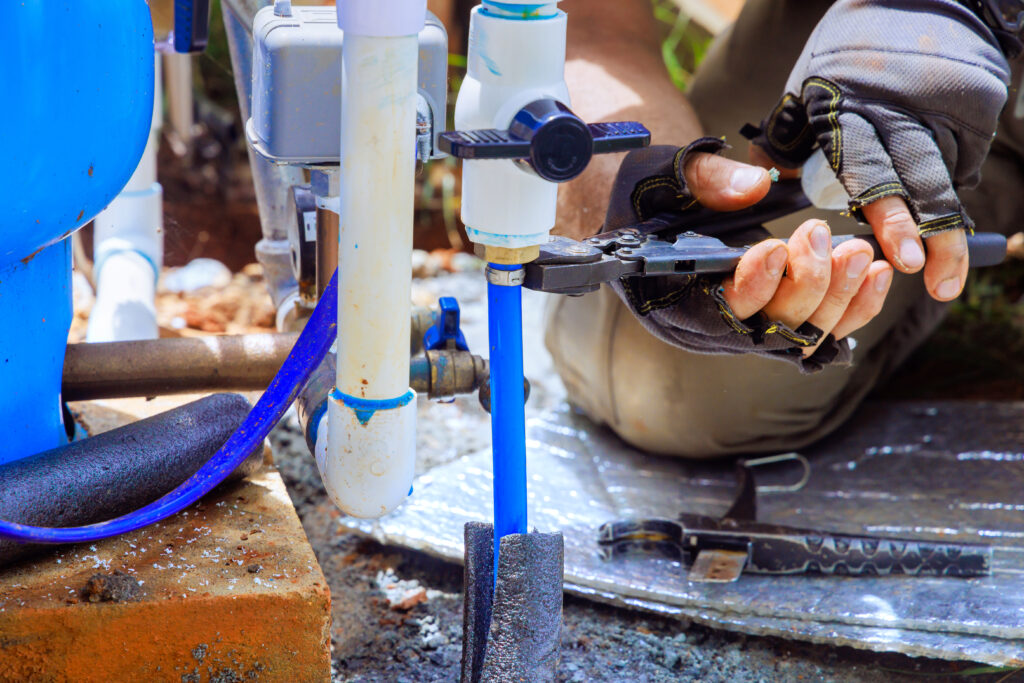
Here’s where pool pump replacement better efficiency becomes genuinely impressive, thanks to a fundamental principle of fluid dynamics called the Pump Affinity Law. This law states that power consumption drops by the cube of any reduction in motor speed. In practical terms:
- Reduce pump speed by 50% → power consumption drops by roughly 87.5%
- Run at two-thirds speed → energy use falls by approximately 70%
This is why modern variable-speed pumps are so transformative. According to ENERGY STAR, variable-speed pool pumps can save pool owners up to $360 per year compared to standard models — and that figure compounds annually.
The physics don’t lie: cutting speed in half doesn’t halve your energy bill — it nearly eliminates that portion of your costs entirely.
This efficiency curve is exactly what separates today’s smart pumps from older single-speed models and knowing what to look for in a failing pump makes the upgrade decision much easier.
Red Flags: 5 Signs It’s Time for a Pool Pump Replacement
Now that you understand how superior water movement protects your pool’s health, the next question becomes practical: how do you know when your current pump has crossed the line from “aging” to “failing”? Pool efficiency doesn’t collapse overnight — it erodes gradually, often hiding behind symptoms that are easy to dismiss. Here are the warning signs that demand your attention.
1. Grinding or Screeching Noises A healthy pump runs with a steady, low hum. Grinding, screeching, or rattling sounds point directly to bearing failure inside the motor. Once bearings start deteriorating, the decline is rarely reversible — and the consequences for your circulation system are swift.
2. Leaking or Losing Prime Frequent water pooling around the pump housing, or a pump that repeatedly struggles to maintain prime, signals deteriorating seals or a compromised impeller. Both problems starve the system of the consistent flow your pool depends on.
3. The 7–10 Year Danger Zone Even a pump that appears functional past the 7–10 year mark is operating on borrowed time. Internal wear reduces hydraulic efficiency long before a motor fully quits. According to Pool Magazine, aging pump technology simply can’t match the performance standards modern systems deliver.
4. Persistently Cloudy Water Cloudy water despite properly balanced chemistry is a circulation problem, not a chemistry problem. When turnover rates drop, sanitizer can’t do its job no matter how carefully you dose it.
5. Spiking Energy Bills A struggling motor draws significantly more electricity to compensate for internal inefficiencies. What starts as a modest uptick on your utility bill can quietly compound into hundreds of dollars annually.
A failing pump doesn’t announce itself with a single dramatic breakdown it signals distress through a pattern of compounding symptoms that erode both water quality and your wallet. Understanding these red flags sets the stage for a deeper look at the technology choices available when replacement becomes unavoidable.
The Efficiency Revolution: Variable Speed vs. Single Speed
Once you’ve spotted the warning signs covered in the previous section, the natural next question is: what exactly should you replace your old pump with? The answer, for virtually every modern pool owner, is a variable speed pump and a landmark regulatory shift has made that choice almost inevitable.
The 2021 DOE Mandate Changed Everything
In 2021, the U.S. Department of Energy finalized regulations requiring that most residential pool pumps sold in the United States meet new minimum efficiency standards. Practically speaking, this means the old single-speed workhorses that dominated the market for decades are no longer legally sold for new installations. If you’re researching why replace pool pump now rather than later, this regulatory backdrop is a significant part of the answer — replacement parts and compatible equipment for legacy single-speed systems are increasingly harder to source.
The Numbers Don’t Lie: 80%–90% Energy Savings
The efficiency gap between single-speed and variable speed pumps is staggering. Single-speed motors run at full power around the clock, regardless of whether that level of output is actually needed. Variable speed pumps, by contrast, use a permanent magnet motor the same technology found in electric vehicles that can dial down to the precise flow rate required at any given moment.
According to ENERGY STAR, certified variable speed pool pumps can save homeowners up to 90% on pool pump energy costs compared to single-speed models. That’s not a marginal improvement. That’s a fundamentally different category of equipment.
Built for the Smart Pool Era
Variable speed pumps aren’t just energy efficient they’re automation-ready. Most modern models integrate seamlessly with pool automation systems, allowing programmable schedules, remote monitoring via smartphone apps, and real-time speed adjustments based on filtration demand. As Pool Magazine notes, today’s smart pumps represent a convergence of energy efficiency and digital control that simply wasn’t possible with single-speed technology.
A smarter pump doesn’t just save energy it becomes the operational hub of a more responsive, better-managed pool system.
Those energy savings translate directly into dollars on your utility bill, and the math behind the actual payback period is more compelling than most homeowners expect.
The ROI Math: How a New Pump Pays for Itself
Understanding the warning signs and technology options is one thing — but for most homeowners, the decision ultimately comes down to dollars. The numbers here are genuinely compelling.
Breaking Down the Annual Savings
A standard single-speed pump running a typical cycle costs roughly $1,455 per year in electricity. Swap that out for a properly programmed variable speed model, and that figure drops to approximately $205 annually. That’s a savings of around $1,250 every single year, simply from upgrading the equipment responsible for your pool’s water circulation.
According to ENERGY STAR, certified variable speed pumps can save pool owners more than $400 per year compared to standard models — and in warmer climates where pools run longer seasons, savings climb even higher. Real-world results consistently land toward the upper end of that range.
Calculating Your Payback Period
A variable speed pump typically pays for itself in under two years one of the strongest ROI timelines available for any home improvement purchase. Here’s a simple framework:
- Pump cost: $700–$1,200 installed
- Annual savings: ~$1,250
- Payback period: 7–12 months in many cases
As Pentair’s energy savings analysis confirms, the math favors upgrading even if your current pump isn’t failing yet.
The Hidden Savings Stack Up Too
Lower operating speeds mean less heat buildup, which extends motor life and reduces wear on your filter, heater, and valves. Consistent, gentler circulation also improves chemical distribution meaning you’ll spend less on chlorine and balancing chemicals over time. These secondary savings quietly compound year after year.
Of course, capturing these savings depends on choosing and sizing your pump correctly — which is exactly where many upgrades go wrong.
Selecting Your Upgrade: Sizing and Installation Essentials
All the talk about variable speed pool pump ROI means little if you install the wrong pump for your pool. Proper sizing is arguably the most overlooked step in the replacement process — and it’s where many homeowners leave real money and performance on the table.
Bigger Is Not Better
A common misconception is that a more powerful pump means cleaner water. In practice, an oversized pump creates the opposite problem. It pushes water through your filter too quickly, reducing filtration efficiency and creating unnecessary strain on your plumbing system. An oversized pump wastes energy from day one defeating the entire purpose of upgrading.
The right pump moves the minimum amount of water needed to do the job effectively, not the maximum it’s capable of.
Match the System, Not Just the Motor
Proper sizing requires matching three key variables:
- Filter flow rate (GPM): Your pump should never exceed your filter’s maximum rated flow
- Pipe diameter: Undersized pipes create resistance that forces the pump to work harder
- Pool volume: Total gallons determines the required turnover rate typically one to two full cycles per day
According to the U.S. Department of Energy, selecting a pump that matches your specific system requirements is essential to achieving the efficiency gains manufacturers advertise. Generic sizing shortcuts consistently underperform.
Why Professional Installation Matters
Improper installation can void your manufacturer’s warranty and compromise long-term performance. A licensed pool professional will conduct a proper hydraulic analysis, confirm plumbing compatibility, and program the variable speed settings for optimal efficiency across different operating modes.
The best pump on the market performs only as well as the installation behind it. Investing in professional setup protects both your equipment and your expected savings.
Key Takeaways
- Reduce pump speed by 50% → power consumption drops by roughly 87.5%
- Run at two-thirds speed → energy use falls by approximately 70%
- Pump cost: $700–$1,200 installed
- Annual savings: ~$1,250
- Payback period: 7–12 months in many cases
